First Apartment Maintenance Checklist
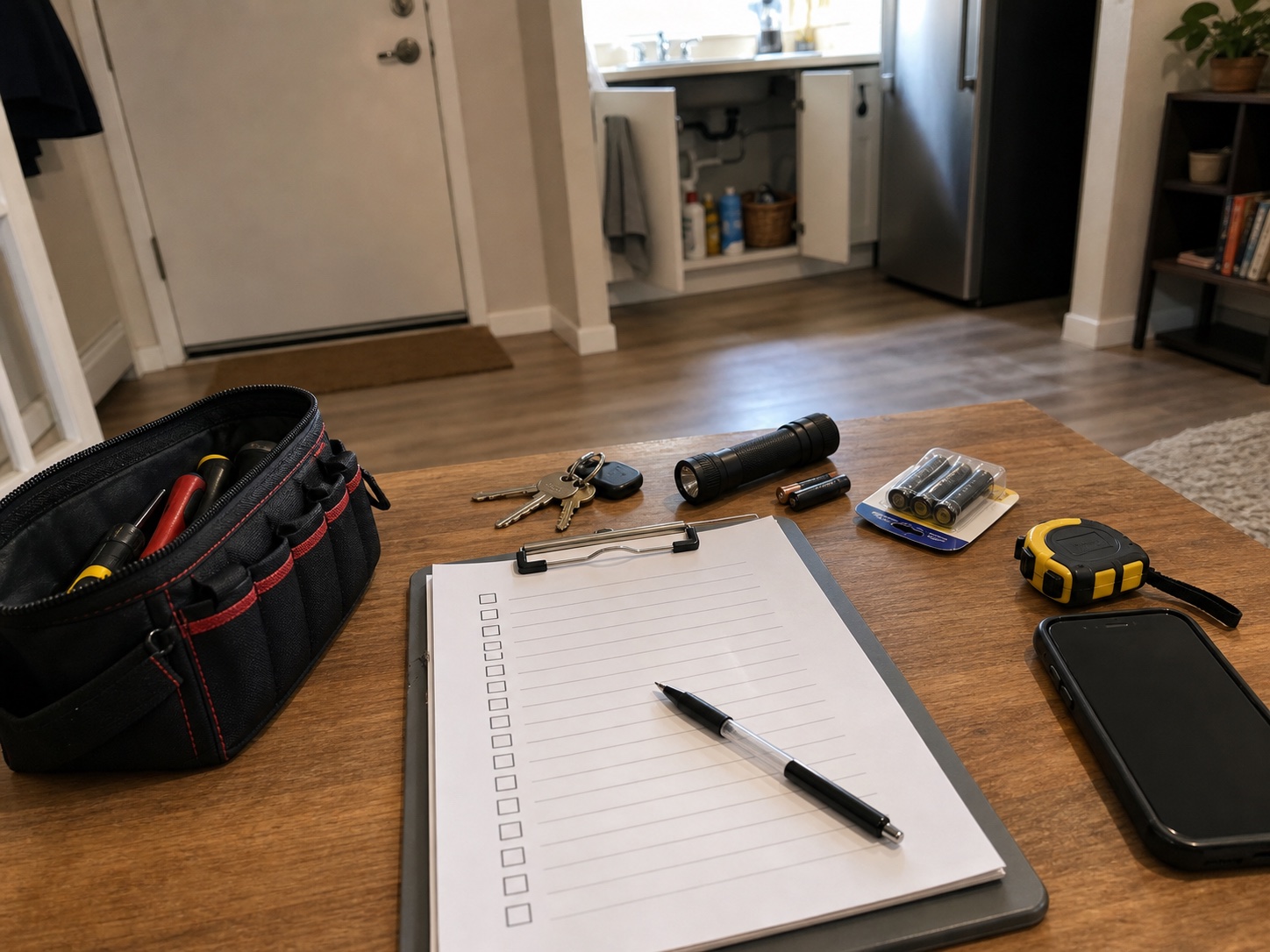
Use this during move-in, once a month after that, before long travel, and after severe weather. It is designed for renters who want to catch leaks, alarm problems, lock issues, pest evidence, appliance changes, and maintenance needs before they become bigger problems. The checklist is intentionally practical: it focuses on things you can observe, document, clean lightly, or report. It does not ask you to repair building systems, open panels, replace plumbing parts, or diagnose anything that should belong to a landlord, maintenance team, or licensed professional.
By Portia Me'uan Thomas. Updated August 17, 2026. Edited for renter-aware safety.
Time: 30 minutes monthly. Difficulty: Easy. Safety: Low.
Quick Answer
Once a month, test alarms, check under sinks, look at locks and windows, clear obvious drain hair, look for new stains or pest evidence, confirm emergency contacts, and document anything maintenance should handle. Take dated photos, submit issues through the official maintenance process, and keep the confirmation so small problems do not become deposit, safety, or neighbor-damage problems later. During the first two months in a new place, do a shorter weekly scan because move-in boxes, new routines, and unfamiliar sounds can hide early problems.
Before You Start
- Save landlord, maintenance, utility, and local emergency contacts.
- Find the maintenance request portal or email before you need it.
- Keep move-in photos in a folder you can find later.
- Pick a recurring calendar reminder so the checklist does not depend on remembering.
- Do not start by buying supplies; first learn what your apartment actually needs and what maintenance owns.
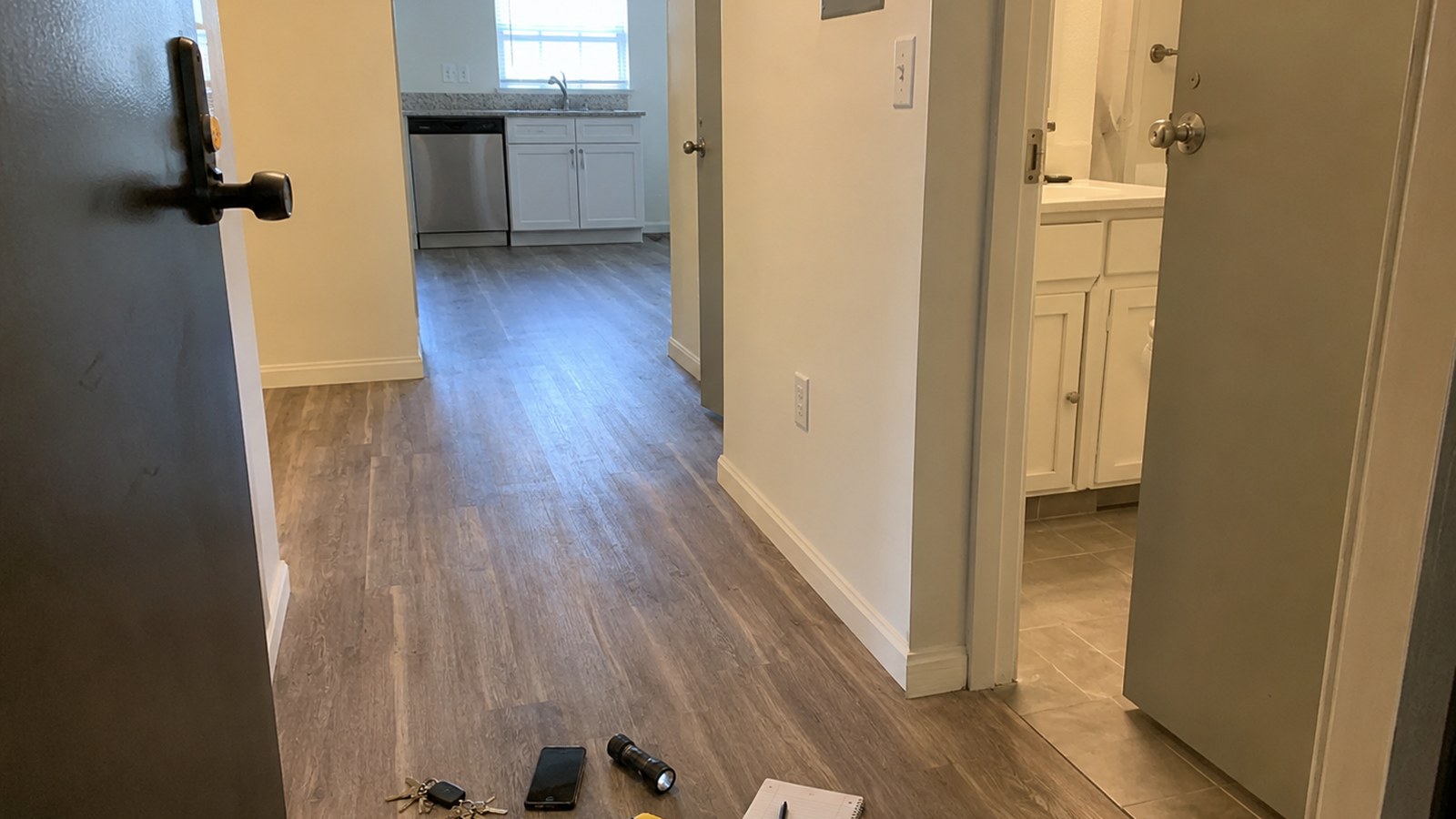
Tools Needed
- Phone camera
- Flashlight
- Notes app or notebook
- Paper towels
- Basic cleaning cloth
- Folder for maintenance confirmations
- Small trash bag for old cabinet paper or drain hair
Renter Notes
Document issues with dated photos and use your building's maintenance process rather than relying on hallway conversations or memory. Do not repair property-owned systems yourself when the lease says to report them. A simple record helps if the same leak returns, a lock keeps sticking, a pest issue spreads, or move-out questions come up later. Keep the tone factual in requests: where it is, when you noticed it, what changed, whether water, electricity, locks, heat, cooling, pests, or alarms are involved, and what temporary safety step you took.
Step-by-Step Guide
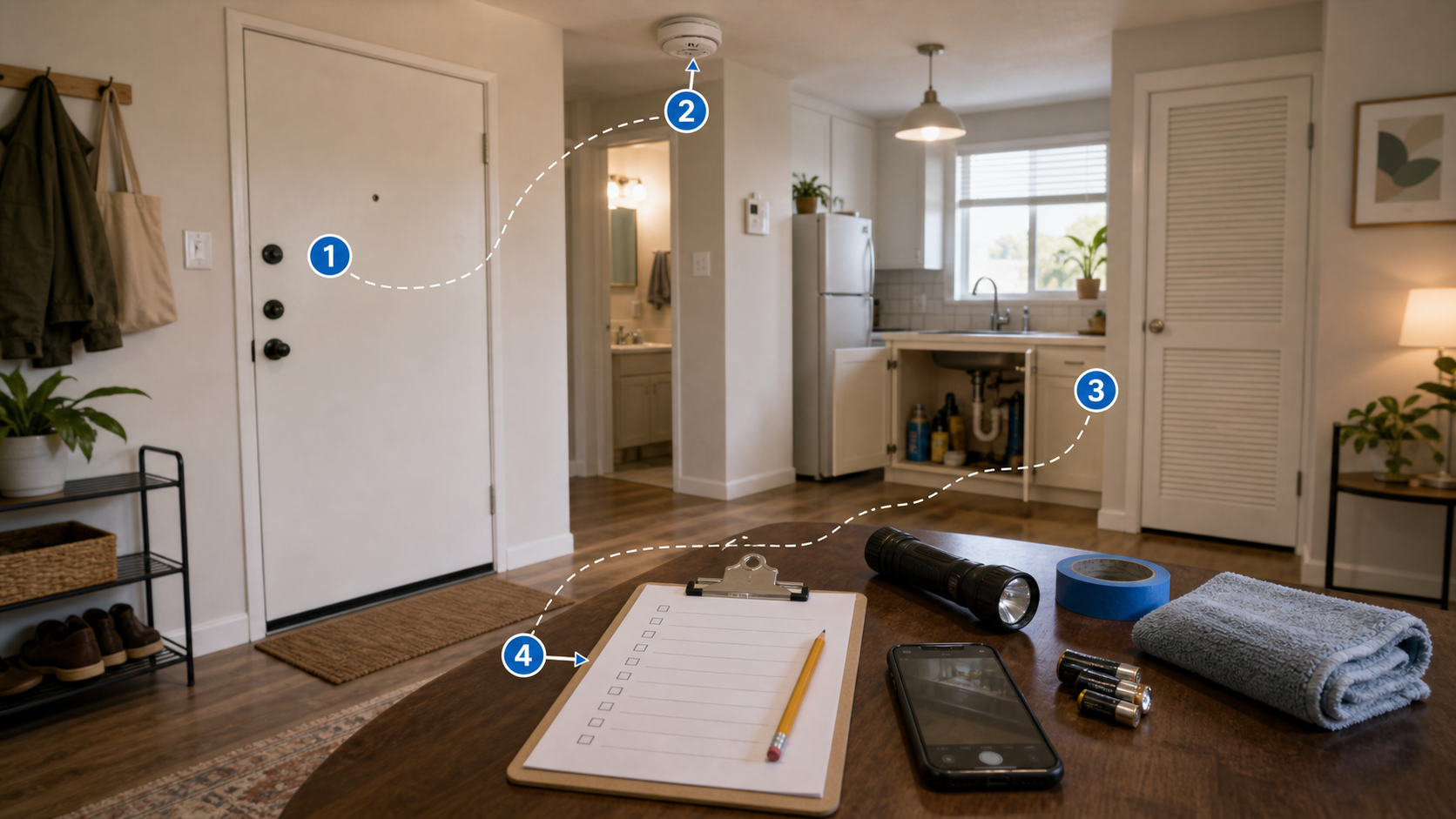
- Test smoke and carbon monoxide detectors using the test button.
What I check before the next step: I stay dry and hands-off with wiring or panels. Smoke, sparks, heat, burning smell, carbon monoxide alarms, repeated trips, or wet electrical areas mean stop immediately. - Look under bathroom and kitchen sinks for drips, swollen wood, or stains.
What I check before the next step: I look for spreading water, wet electrical areas, sewage odor, swelling, or moisture below the fixture. Any of those turns this into a stop-and-report issue. - Check that entry locks, window locks, and sliding doors work smoothly.
What I check before the next step: I keep the door or window from trapping me while testing. Entry locks, broken latches, cracked frames, or security uncertainty belong with maintenance or a locksmith.
- Run water briefly in rarely used sinks or tubs to keep traps from drying out.
What I check before the next step: I look for spreading water, wet electrical areas, sewage odor, swelling, or moisture below the fixture. Any of those turns this into a stop-and-report issue. - Look at ceilings and walls for new stains, cracks, or bubbling paint.
What I check before the next step: I photograph the condition before cleaning or covering it. Spreading marks, softness, recurring odor, or leak-related damage should be reported. - Look for pest evidence near trash, sinks, baseboards, pantry shelves, and warm appliance areas.
What I check before the next step: I document evidence before cleaning it away, then avoid sprays, foggers, or sealing large gaps until maintenance or pest control can review the pattern. - Check HVAC vents, filters only if tenant-accessible, and thermostat behavior without opening equipment.
What I check before the next step: I stay with accessible, user-facing checks only. Heat, burning smell, leaks, damaged cords, error codes, or panel access means the next step is maintenance. - Confirm that emergency contacts, lockout instructions, and utility outage links are still easy to find.
What I check before the next step: I treat the result as information. If the problem improves, I verify once; if it stays the same or worsens, I do not keep repeating the step with more force. - Compare this month to your earlier photos so small changes, such as a growing ceiling stain or widening cabinet swelling, do not blend into the background.
What I check before the next step: I make the note useful: date, location, what changed, one wide photo, and one close-up before I touch anything else. - Write down and report anything that changed since your last check.
What I check before the next step: I make the note useful: date, location, what changed, one wide photo, and one close-up before I touch anything else.
Safe Next Steps
- If the result improved, do one normal-use test and finish with the checklist item: Emergency contacts saved.
- If the result is mixed, stop after the listed low-risk checks and decide whether the issue belongs with maintenance, your landlord, or a licensed professional.
- If the result did not improve or got worse, do not add force, stronger chemicals, hidden disassembly, or a new tool. Contact landlord or maintenance for the stop signs listed below.
- For a rental, send a short maintenance message with where the issue is, when you noticed it, what changed, what safe check you tried, and two photos. Keep the confirmation.
Common Mistakes
- Waiting until move-out to document damage.
- Ignoring a small drip because it is not flooding.
- Assuming all maintenance is your responsibility.
- Checking only visible living areas and skipping cabinets, closets, windows, and utility corners.
- Deleting maintenance confirmations once a problem appears fixed.
- Trying to repair a property-owned system to avoid bothering the landlord.
Monthly renter maintenance
first apartment maintenance checklist is treated here as a beginner observation and control problem first, not a chance to prove you can take apart the home. The safe version is visible, reversible, and easy to stop.
For renters, the important line is ownership. You can usually observe, photograph, time, clean lightly, or tighten a visible non-security part, but hidden systems, building-owned fixtures, and lease-controlled hardware belong to maintenance.
What to Check Before You Act
Use time boxes and repeatable photos. The goal is a routine you will actually repeat, not a perfect inspection.
| Check | Before | After | Interpretation |
|---|---|---|---|
| Checklist time | Start timer | Record minutes to complete | Keeps the routine realistic. |
| Under-sink status | Last month photo | Record dry/stain/swelling | Comparison catches slow leaks. |
| Alarm status | Last test date | Record pass/fail/chirp | Failed alarms need reporting. |
| Maintenance tickets | Open items | Record closed/open/follow-up | Prevents forgotten repairs. |
Common Situations and Stop Points
| Symptom | Possible context | Safe first check | Stop point |
|---|---|---|---|
| New stain | Leak, spill, condensation, or old damage | Photograph and compare | Active moisture |
| Alarm chirp | Battery or unit issue | Follow property instructions | Do not disable |
| Lock sticking | Alignment or hardware | Document behavior | Entry security issue |
| Pest evidence | Food access or building issue | Photo and clean food sources | Report recurring evidence |
Try It or Report It?
| Situation | Beginner can try | Do not touch | Contact |
|---|---|---|---|
| Normal monthly scan | Observe, photograph, clean lightly | Systems or sealed parts | Report changes |
| Active leak found | Contain if safe | Pipe repair | Urgent maintenance |
| Safety device failed | Record location | Disable or remove | Maintenance |
| Lease-sensitive task | Ask first | Drilling, lock changes, fixture swaps | Landlord |
Renter-Safe First Steps
- Photograph and compare.
- Test alarms with button.
- Check under sinks visually.
- Submit maintenance requests.
Stop Lines
- Stop for active leaks.
- Stop for failed alarms.
- Stop for broken locks.
- Stop for pest evidence or mold growth.
- Stop before system repairs.
Additional FAQ
How long should it take?
About 30 minutes once you know the route. If it takes all day, the routine is too large.
Should I keep every photo?
Keep move-in photos, problem photos, and monthly comparison photos for areas that change.
What if I find something small?
Document it early. Small water, lock, alarm, and pest issues are worth reporting.
Related Next Steps
- Move-In Inspection Before You Unpack - Start the record before boxes hide damage.
- Under-Sink Leak Check: What to Look For Before Touching Plumbing - Monthly leak check detail.
- Apartment Smoke Detector Test: A Safe Monthly Check - Alarm test detail.
- Rental Light Bulb Replacement: The Safe Version - Use the renter-safe light and fixture boundary.
- Shared-Wall Noise Problems: A Renter's Documentation Plan - Add a repeatable noise log to the monthly record.
What Not to Do
- Do not disable alarms, alter locks, open electrical fixtures, or take apart plumbing systems.
- Do not climb onto roofs, balcony rails, or unsafe ladders.
- Do not disturb suspected mold beyond a small surface-cleaning situation.
- Do not use harsh chemicals, foggers, or drain cleaners as a default monthly routine.
- Do not ignore heat, cooling, water, or lock problems because rent is still being paid and the apartment is usable.
When to Pause and Ask for Help
Contact landlord or maintenance for leaks, mold concerns, broken locks, missing alarms, appliance issues, heating or cooling failures, electrical problems, pest evidence, damaged windows, water stains, or any system attached to the building. Contact a licensed professional only when your lease makes you responsible for arranging a repair and the work involves electrical, plumbing, HVAC, locksmith, pest control, remediation, structural, or appliance expertise.
FAQ
How often should I do this checklist?
Monthly is a good rhythm, plus an extra check before travel, after severe weather, and during the first week after move-in.
What should I photograph?
Leaks, stains, cracks, broken fixtures, pest evidence, alarm problems, lock issues, damaged windows, and anything you report.
Should I keep maintenance emails?
Yes. Save confirmations, dates, photos, and follow-up messages so you have a record if the issue returns.
What can I fix myself?
Small reversible tasks like tightening a loose interior handle are different from building system repairs. When unsure, report it.
What if maintenance does not respond?
Follow the official process again, keep the record factual, and use emergency maintenance or local tenant resources when health, safety, heat, water, locks, or electricity are involved.
Should I clean before checking?
Light cleaning helps you see problems, but photograph active leaks, stains, pest evidence, or damage before removing the evidence.
Final Checklist
- Emergency contacts saved
- Alarms tested
- Sinks checked
- Locks and windows checked
- Pest evidence checked
- HVAC basics observed
- Photos taken
- Maintenance issues reported
References
Use these official resources as background context. Product manuals, lease rules, local requirements, property maintenance instructions, and qualified professional advice should still come first for your exact home.
- Smoke alarms - U.S. Fire Administration. Use as background for making alarm testing part of the move-in and monthly checklist.
- Fix a Leak Week - EPA WaterSense. Use as background for checking under sinks and reporting early leak signs before damage spreads.
- Build a kit - Ready.gov. Use as background for keeping basic light, communication, water, and document supplies easy to reach.
You May Also Like
More beginner-safe guides that connect to this repair, the same room, or the next safety decision a renter may need.
- Starter Tools for Living Alone: What Actually Earns Space - Build a compact toolkit for apartment living with renter-safe basics, a buy-first order, and clear limits on tools you do not need yet.
- Apartment Smoke Detector Test: A Safe Monthly Check - Learn how to test an apartment smoke detector with its test button, what a failed test or chirp means, and when renters should call maintenance.
- Power Outage Alone: A Calm Apartment Safety Plan - A calm power outage plan for people living alone, with clear electrical safety boundaries.
- Slow Bathroom Sink: Renter-Safe First Checks Before Maintenance - Try safe first steps for a slow bathroom sink before escalating to apartment maintenance.
- The Quiet Habit That Helped at Move-Out: Why I Photograph Apartment Problems Now - Build a simple, privacy-aware apartment photo record with safe wide and detail images, useful notes, original files, official request confirmations, and move-out comparisons.
- Move-In Inspection Before You Unpack - Inspect a rental apartment before unpacking so you can document damage, leaks, locks, and safety issues early.
- Pest Evidence in a Rental: Where to Check First - Look for early pest evidence in a rental apartment and report it before the problem spreads.
- Curtains in a Rental: Hang Them Without Wall Damage - Add privacy with renter-friendly curtain options that avoid drilling and wall damage.